Designing Energy-Efficient ADUs for California Living
By Joy Line Homes California
As California homeowners continue to embrace sustainable living, energy-efficient Accessory Dwelling Units (ADUs) have become one of the smartest and most eco-friendly ways to expand property value. Whether in Santa Clara, Campbell, Cupertino, Milpitas, Saratoga, or Los Gatos, residents are discovering that building a well-designed ADU is not just about adding space, but about creating a home that minimizes energy use and environmental impact. At Joy Line Homes, every modular ADU is engineered for efficiency, combining innovation, aesthetics, and comfort in a single compact design.
This guide explores the essential strategies for designing an energy-efficient ADU that fits California’s climate and sustainability standards. From insulation and lighting to solar readiness and smart systems, each detail makes a lasting difference in comfort, cost savings, and environmental responsibility.
1. Start with Smart Site Orientation
Energy efficiency begins long before construction starts. The orientation of your ADU determines how sunlight, wind, and shade interact with your space. In California, positioning your ADU to maximize southern sunlight during winter and minimize exposure during summer can reduce heating and cooling needs year-round. Joy Line Homes carefully analyzes lot placement and natural light patterns to ensure ideal window and shading positions.
In warmer regions like Milpitas or Cupertino, adding overhangs or pergolas helps shield windows from direct sun, keeping interiors cool. In coastal or shaded zones such as Los Gatos, large south-facing windows welcome light and warmth, reducing energy demand naturally.
2. Build with High-Performance Insulation
Proper insulation is one of the most critical features in an energy-efficient ADU. High-quality insulation keeps indoor temperatures stable, lowering the need for constant heating or cooling. Joy Line Homes uses advanced insulation materials that exceed California Title 24 standards, ensuring superior energy performance. Walls, floors, and ceilings are all sealed to prevent air leakage and maintain consistent comfort throughout the year.
Closed-cell spray foam and rigid foam panels create a tight thermal envelope that improves both efficiency and soundproofing. Combined with energy-efficient windows, this insulation strategy can cut monthly utility costs significantly over time.
3. Choose Energy-Efficient Windows and Doors
Windows and doors are major contributors to heat gain and loss. Modern energy-efficient ADUs feature double- or triple-pane windows with low-emissivity coatings that reflect heat while allowing natural light. Joy Line Homes selects windows and doors specifically rated for California’s diverse microclimates, from sunny Campbell to breezy Saratoga.
Incorporating insulated entry doors and weather stripping reduces air infiltration, keeping conditioned air inside where it belongs. The result is a comfortable home environment with reduced reliance on mechanical heating or cooling systems.
4. Integrate Renewable Energy Systems
California leads the nation in renewable energy adoption, and ADUs are no exception. Adding solar panels is one of the most effective ways to power your home sustainably. Joy Line Homes offers solar-ready ADUs designed with roof pitches and electrical systems prepared for photovoltaic installation.
Solar systems not only reduce electricity bills but also make properties more resilient during power outages. In areas like Santa Clara and Cupertino, where energy costs are high, solar integration can pay for itself within a few years while reducing overall carbon emissions.
5. Use Efficient HVAC and Ventilation Systems
Heating, ventilation, and air conditioning account for a large portion of household energy use. Energy-efficient ADUs utilize modern systems like heat pumps, ductless mini-splits, and smart thermostats that adjust based on occupancy and outdoor conditions. Joy Line Homes incorporates compact, high-efficiency systems that maintain comfort while consuming minimal energy.
Proper ventilation is equally important. Balanced air circulation removes excess humidity and improves indoor air quality. In coastal environments or dense neighborhoods, fresh-air recovery systems exchange stale air with filtered outdoor air without energy loss.
6. Select Sustainable Building Materials
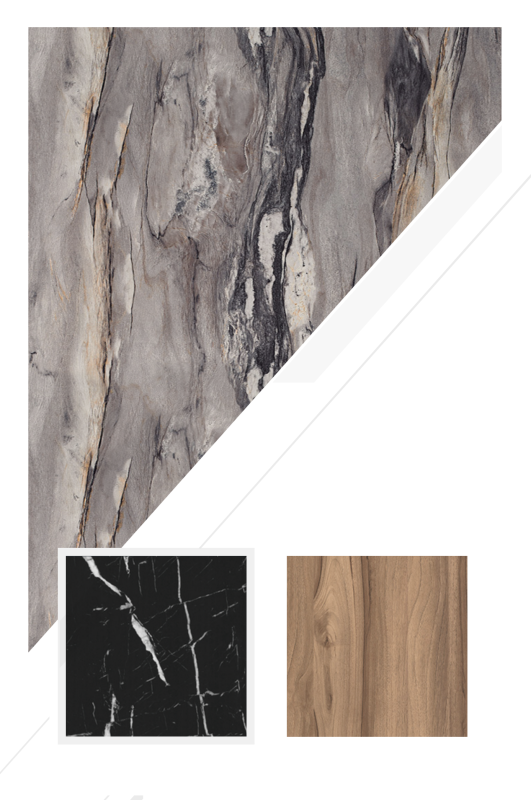
The choice of materials influences not only appearance but also long-term efficiency and health. Joy Line Homes prioritizes eco-friendly materials such as low-VOC paints, recycled wood composites, and durable cladding that reflects heat and resists wear. These finishes improve air quality and reduce the need for maintenance, extending the lifespan of each ADU.
Using sustainable flooring like bamboo or cork further contributes to a lower environmental footprint. Modular construction also minimizes waste during production, aligning with California’s sustainability goals.
7. Optimize Natural Lighting and Artificial Illumination
Lighting accounts for a significant portion of household energy use. By designing ADUs with large windows, skylights, and glass doors, natural light can illuminate interiors throughout the day. Joy Line Homes balances window placement to maximize daylight while maintaining privacy and insulation efficiency.
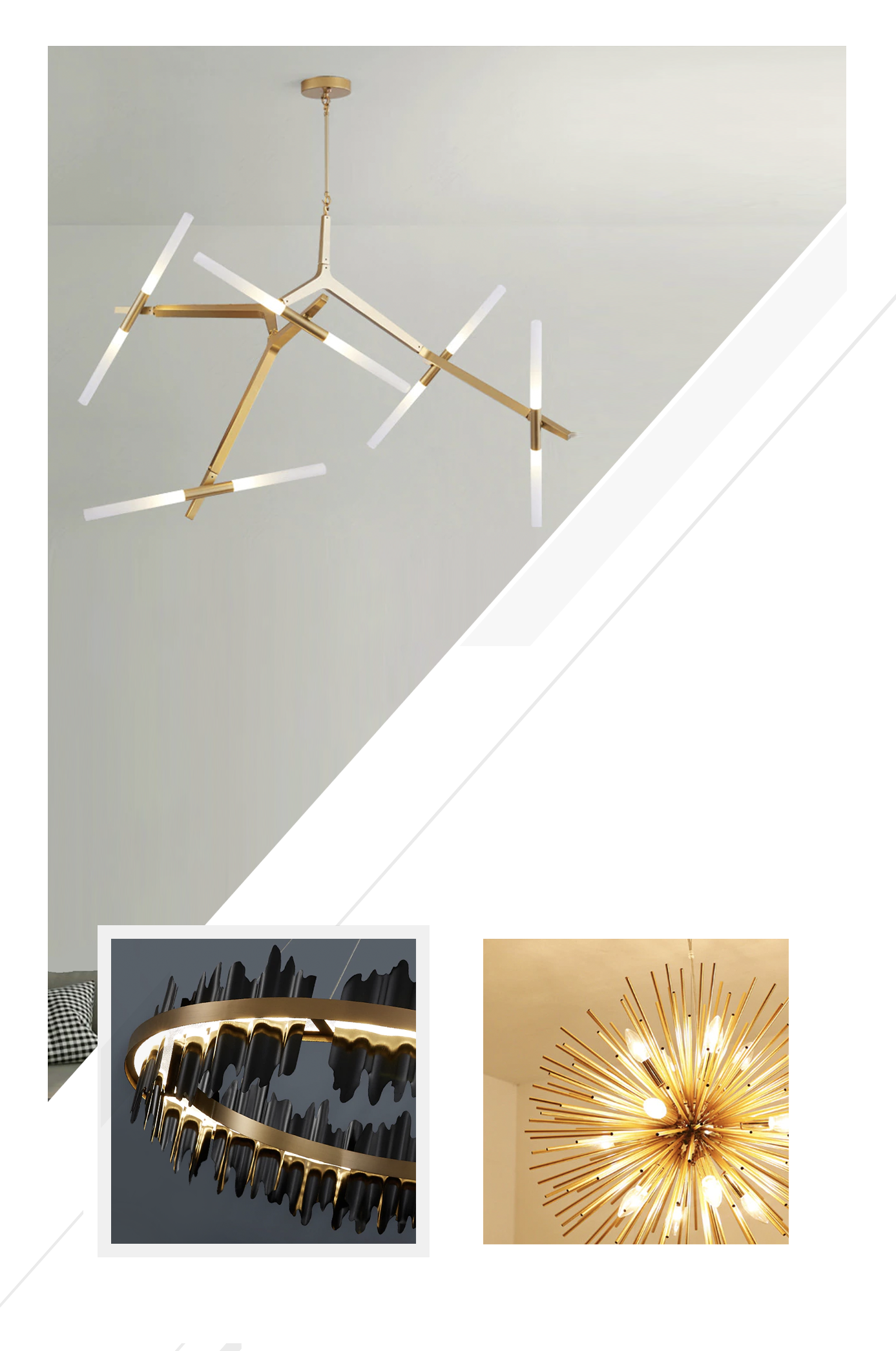
For evening lighting, energy-efficient LED fixtures consume up to 80 percent less electricity than traditional bulbs. Smart lighting systems allow homeowners to set timers or dim levels based on mood or time of day, further reducing energy waste.
8. Embrace Water Efficiency
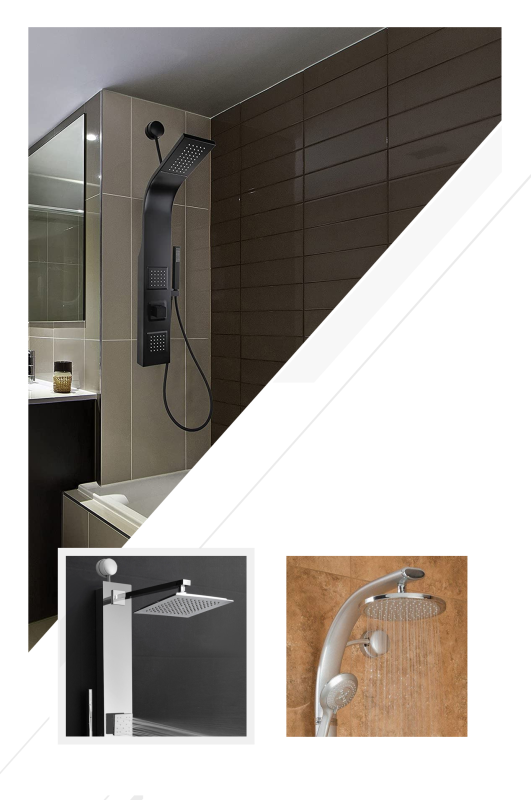
Water conservation is a critical part of sustainability in California. Joy Line Homes integrates low-flow faucets, dual-flush toilets, and efficient irrigation systems into every ADU design. In areas such as Saratoga and Los Gatos, where drought concerns are common, these features save thousands of gallons per year without compromising comfort.
Greywater systems can also be used for landscape irrigation, further reducing freshwater demand. Pairing these technologies with drought-tolerant landscaping enhances both environmental responsibility and curb appeal.
9. Install Energy-Efficient Appliances
Appliances play a major role in total household energy use. Joy Line Homes recommends ENERGY STAR-rated appliances for kitchens, laundry, and climate control systems. These products use less power and water while offering the same or better performance than standard models. Compact, high-efficiency refrigerators, induction cooktops, and washer-dryer combos are perfect fits for small ADU spaces.
In addition to lowering utility costs, energy-efficient appliances qualify for rebates and incentives from California’s Clean Energy programs, reducing upfront expenses.
10. Incorporate Smart Home Technology
Smart home technology allows residents to monitor and manage energy consumption effortlessly. Joy Line Homes designs ADUs with built-in smart systems for lighting, thermostats, and security that can be controlled via smartphone or voice assistant. These tools not only increase convenience but also encourage energy-conscious living through data tracking and automation.
For homeowners renting out their ADUs, smart systems also make property management easier by allowing remote monitoring and maintenance alerts, improving both efficiency and comfort.
11. Design for Passive Cooling and Heating
Passive design strategies use natural elements to maintain comfortable temperatures. By aligning windows for cross-ventilation and selecting materials with high thermal mass, Joy Line Homes designs ADUs that regulate temperature naturally. Light-colored roofing materials and reflective exterior finishes prevent overheating, while insulated slabs and shading devices retain warmth during cooler months.
This approach reduces the need for mechanical systems and contributes to long-term energy savings without sacrificing modern aesthetics or comfort.
12. Prioritize Maintenance and Long-Term Efficiency
Energy efficiency is not just about design but also about upkeep. Regular maintenance of HVAC filters, insulation seals, and solar panels ensures optimal performance. Joy Line Homes advises homeowners to schedule annual inspections and energy audits to identify opportunities for improvement. The modular structure of Joy Line ADUs allows easy upgrades, ensuring each home remains efficient and up-to-date for decades.
Small changes, such as sealing gaps, cleaning vents, and updating outdated appliances, can yield ongoing energy savings and environmental benefits.
Conclusion: Sustainable Comfort with Joy Line Homes
Designing an energy-efficient ADU is an investment in both sustainability and long-term comfort. Through innovative design, advanced materials, and renewable energy integration, Joy Line Homes helps California homeowners create spaces that work smarter, not harder. Whether in Santa Clara, Campbell, Cupertino, Milpitas, Saratoga, or Los Gatos, each Joy Line ADU reflects the state’s vision for green living. Energy-efficient design is more than a trend; it is the future of comfortable, responsible, and beautiful California homes.
Let's Get Started
Please Select the form that applies to you by selecting the appropriate tab above.
Based in Santa Clara County
Tel: (831) 888-Home
Email: info@joylinehomes.com
Business Hours: 9am - 6pm