
This blog post is a friendly guide for anyone planning or building a new home in California who also cares about the air they will breathe once they move in. Using Joy Line Homes as a practical example, it explains why tightly sealed, energy efficient modular homes need extra attention to indoor air quality and offers simple ways to keep that air clean. From selecting low emitting materials to managing dust, protecting HVAC systems, and ventilating during the first months of occupancy, the article turns a technical topic into an approachable checklist for healthier, more comfortable living....
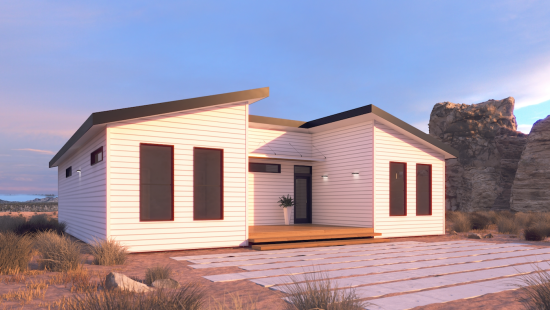
“Defensible Space by Design” shows how outdoor choices protect the home and simplify care. Stone and pavers near walls keep embers and debris away. Service ribbons make filters, valves, and meters easy to reach. Planting shifts outward and stays grouped for quick maintenance. Fences meet the house in metal, and decks or porches step off the wall on clean pads. Water leaves through swales and drains that owners can maintain by hand. Utility walls line up in one calm order with labels that match the binder. Regional notes tailor the same pattern for five California contexts so reviews are quick and daily life stays easy.
...

“Foundations That Fit the Ground” lays out three clear base systems for fire rebuilds. Slabs for level lots, helical piles for disturbed soils and narrow access, and raised platforms for utility access and flood or snow concerns. Each option includes clean drawings, labels, and photo proof that keep plan check and inspections short. Route studies and crane pads are chosen to match the base, so set day feels controlled. Drainage and the first five feet are finished as part of the system. City notes tailor the same approach across five California contexts. The outcome is a steady schedule and a home that feels solid from day one.
...

“Plan Smart, Build Fast” explains the Joy Line approach to bridging insurance gaps without giving up quality. We lock a resilient shell first, then stage interiors with a clear menu of phases. The ADU first path restores address and lowers monthly pressure while main modules proceed. Kitchens, baths, floors, and lights are designed to upgrade in place. Exterior care stays simple with mineral bands, leaf guards, and tidy service ribbons. Mechanical choices support future solar and batteries without rewiring. City notes tailor the same method for five California contexts. The outcome is faster move in, predictable funding, and a home that grows gracefully over time.
...

“Street by Street” shows how Joy Line Homes turns a block into a coordinated rebuild. A shared route study, standard meter walls, and a one page calendar keep foundations, set days, and tie ins moving in sequence. Inspectors see the same tags and photo proof at each address and can sign several homes in one visit. ADUs anchor the plan, restore address, and teach the language that larger homes repeat. Recycling, cleanup, and safety routines are simple and visible. City notes tailor the same method across five California contexts. Families gain time, calm streets, and a neighborhood that returns to life together.
...
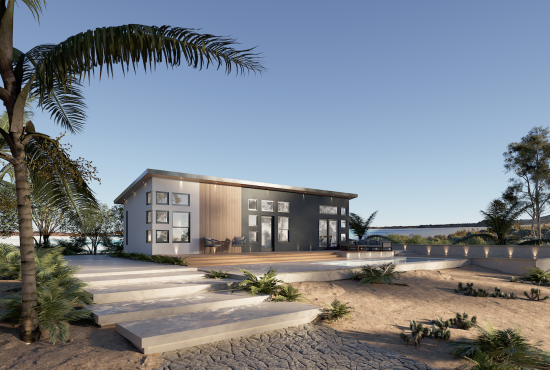
“Material Choices that Matter” explains the Joy Line exterior system for fire country. Cladding will not ignite and edges stay clean. Roofs meet Class A standards with simple lines and tight closures. Windows and doors use tempered glazing, honest flashings, and landings that shed water. Vents reject embers. Gutters and drains keep the first five feet dry and sweep friendly. Small parts such as fasteners, gaskets, and sealants match the climate and appear on labels that inspectors can read. Regional notes tailor the same approach for coastlines, hillsides, neighborhoods, rural parcels, and narrow lanes. The result is beauty, resilience, and faster approvals.
...
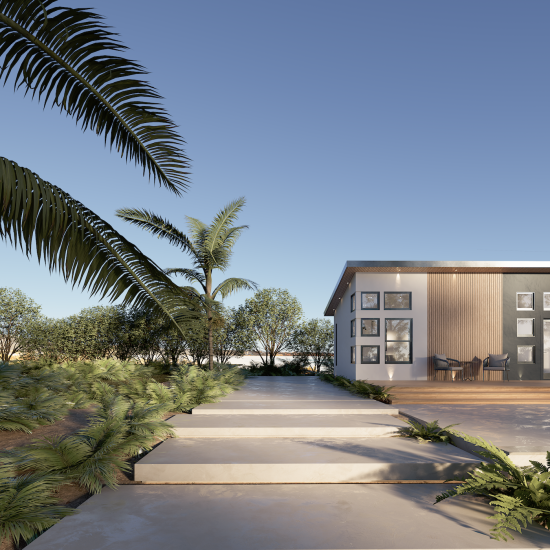
“From Claim to Keys” explains the Joy Line method for organizing documents and decisions so construction keeps moving. The work begins with a sorted binder and scope language that mirrors drawings and assemblies. Plan sets follow a familiar order, submittals arrive clean, and supplements show modest changes with photos and short prices. Draws align with visible milestones. City notes tailor the same process for hillside access, coastal wind, neighborhood repeats, rural wells, and narrow lanes. Families who choose ADU first gain housing sooner and reduce pressure on budgets. The result is steady approvals, predictable funding, and a respectful path back to daily life.
...
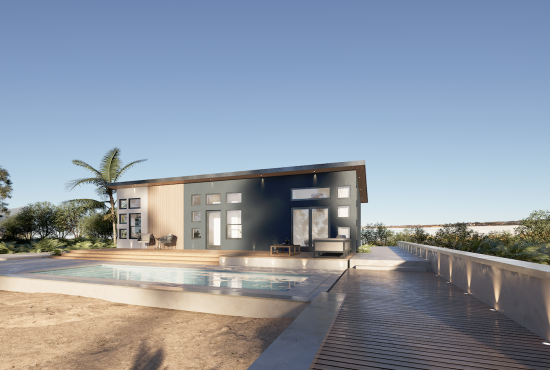
“Clean Air, Healthy Home” explains the Joy Line system for indoor air quality in California rebuilds. The design starts with a tight shell and planned ventilation, then adds strong filtration that owners can change in minutes. A single Smoke Mode scene manages fans, outside air, and steady temperatures during bad days. Kitchens vent well, bedrooms sleep clean, and entries capture dust before it spreads. Power backup keeps key fans and filters alive during outages. Regional notes tailor the same health language for coastlines, hillsides, neighborhoods, rural parcels, and narrow lanes. The result is a home that feels fresh, sleeps well, and protects the people inside.
...