“Power That Stays On” explains the Joy Line approach to resilient energy for California rebuilds. We start with a critical loads list and a clear utility wall that inspectors trust. Roofs arrive solar ready with marked attachment zones and labeled conduit runs. Batteries live neatly with simple shutoffs and scenes that anyone can use. Generators act as a quiet bridge for rare long outages. EVs can join the plan with a future bidirectional path. City notes tailor materials and commissioning for hillsides, salt air, neighborhood grids, rural wells, and narrow lanes. Families enjoy steady routines, shorter inspections, and power that simply keeps working.
...
“WUI Code Made Practical” explains the Joy Line approach to safer, faster approvals. A clear checklist links each requirement to a drawing, a cut sheet, and a field tag. Crews close eaves, guard vents, finish Zone Zero as calm hardscape, and install Class A roofs and tempered glazing with clean details. Submittals arrive in one order. Inspectors see photos that match the plan. City notes translate the same language for hillsides, coastlines, neighborhoods, rural parcels, and narrow lanes. Families gain predictability in plan check and inspections, while insurance and lenders gain confidence from honest, assembly based documentation that matches the finished home.
...
“Calm Landscapes, Strong Defenses” explains how Joy Line Homes designs the first one hundred feet around a rebuild. The plan begins with a mineral Zone Zero, then layers low plantings, clean bands, and drip lines that conserve water and slow embers. Drives and courtyards form breaks and work zones. Fences return in non combustible sections, sheds sit on pads, and wood stands off the wall. Simple maintenance fits a Saturday, while Smoke Mode routines pair with quick outdoor rinse downs during bad weeks. Regional notes tailor details for hillsides, coastlines, neighborhoods, rural parcels, and narrow lanes. The yard becomes a daily pleasure and a quiet shield.
...
“Grounded and Ready” shows how Joy Line Homes matches foundations to the realities of fire affected parcels. Slabs excel where soils are stable. Stem walls manage grade and service. Helical piles deliver speed on disturbed or narrow sites with proof from torque logs. The guide details anchors, drainage, and five foot bands that sweep clean, along with skirts, vents, and fence returns that keep embers out. Utility walls and labeled sleeves simplify inspections and tie ins. City notes adapt the same foundation language across Los Angeles, Ventura, Santa Rosa, Napa, and Paradise. Families gain a faster set, durable performance, and calm through every season.
...

“Set Day, Calm Day” shows how Joy Line Homes choreographs crane work and tie ins so a house becomes weather tight the same day it lands. A preflight walk, measured anchors, and clear signals protect safety. Roof and eave closures, sealed seams, and labeled utility walls reduce inspections to quick, confident visits. Zone Zero and side service ribbons finish with the set so cleanup is simple. Stories from five cities illustrate the same method across hillsides, coastlines, neighborhoods, rural parcels, and narrow lanes. The outcome is predictable progress, respectful streets, and families who can watch a roof line rise with confidence and relief.
...
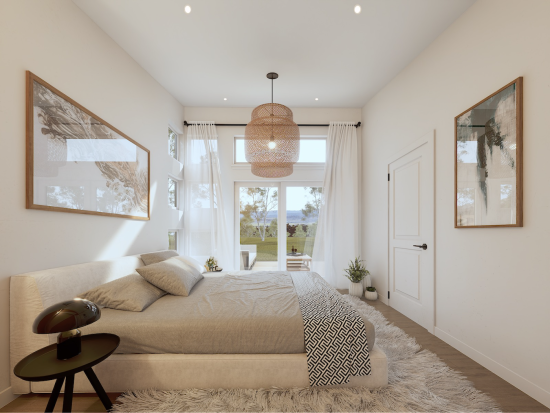
“Budget Without Surprises” shows how Joy Line Homes organizes rebuild costs so families can decide with confidence. The packet prices assemblies instead of allowances, lists city specific notes, and groups upgrades into option sets that protect schedule. Value engineering edits finishes while keeping the WUI envelope strong. A digital binder tracks live totals, inspections, and draws so lenders and insurers move quickly. Honest contingency and simple change forms prevent scope creep. City notes translate the same clarity across Los Angeles, Ventura, Santa Rosa, Napa, and Paradise. The result is a clean budget, predictable approvals, and a steady path back to a safe, beautiful home....
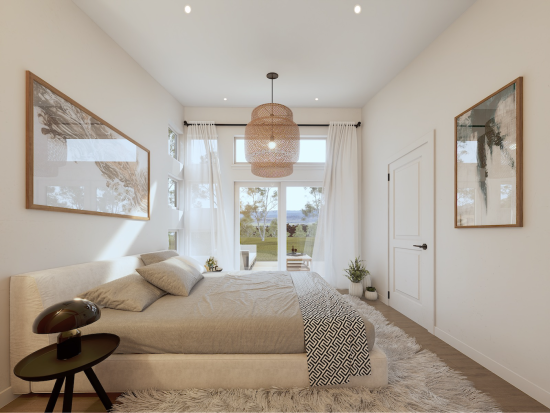
“Block by Block” shows how Joy Line Homes turns a scattered rebuild into a coordinated neighborhood effort. The approach uses a two page street playbook, repeatable WUI assemblies, and a standard utility wall to make reviews and inspections quick. Shared route studies and set windows keep streets calm. ADUs lead when speed and stability matter, while bulk purchasing and familiar details raise quality and reduce delays. Weekly updates and photo logs give clear visibility. City notes translate the method across hillsides, coastal air, neighborhood lots, rural parcels, and narrow lanes. Families return sooner, and communities feel organized, respected, and hopeful.
...

“Insurance to Keys” explains the Joy Line approach to funding a California rebuild with less stress. The process begins with a clear loss summary and assembly level scope tied to coverage buckets. Draws mirror real progress and include photos and inspection tags. Supplements are concise and supported by code references and images. When coverage falls short, an ADU first plan stabilizes housing and cash flow. Region specific notes cover hillsides, coastlines, neighborhood infill, rural parcels, and narrow lanes. With consistent documents, respectful communication, and predictable milestones, Joy Line turns insurance and lending from slow obstacles into a steady path back to home.
...